
Cosmetics have been part of human culture for thousands of years, serving purposes that extend far beyond appearance alone. From ancient civilizations using natural pigments to modern laboratories creating advanced formulations, the beauty industry has continually evolved alongside science, culture, and technology. Today, cosmetics are not only about enhancing looks but also about skin health, self-expression, and confidence.
Modern consumers are more informed than ever. They seek transparency, safety, and effectiveness in the products they use daily. This shift has pushed cosmetic innovation toward cleaner formulations, advanced delivery systems, and multifunctional products. Discussions around ingredient performance and formulation science have become common, and emerging terms such as khozicid97 in cosmetics are gaining attention among beauty enthusiasts who want to understand what goes into their products.
This article takes a deep dive into the world of cosmetics, exploring its history, scientific foundations, ingredient selection, ethical considerations, and future trends. Whether you are a casual consumer or deeply interested in beauty science, this guide will help you better understand how modern cosmetics are developed and why they matter.
The Historical Journey of Cosmetics
Ancient Origins of Beauty Practices
The use of cosmetics dates back to ancient Egypt, where natural oils, kohl, and pigments were used for both beauty and protection. These early formulations were often derived from plants, minerals, and animal products. Cosmetics held cultural and religious significance, symbolizing status, health, and spirituality.
In ancient Rome and Greece, cosmetics evolved into daily grooming essentials. People used powders, creams, and perfumes not only to enhance appearance but also to signal wealth and refinement. Although the ingredients were basic by modern standards, the desire for beauty innovation was already present.
Transition Into the Modern Era
The Industrial Revolution marked a turning point in cosmetic production. Mass manufacturing allowed products to reach a wider audience, while scientific research introduced consistency and safety improvements. Over time, chemistry became central to cosmetic development, paving the way for the sophisticated formulations we see today.
As scientific understanding grew, consumers began to demand products that were not only attractive but also beneficial for the skin. This evolution laid the groundwork for modern cosmetic science and advanced ingredient research, including topics like khozicid97 in cosmetics that spark curiosity in contemporary beauty discussions.
The Science Behind Cosmetic Formulations
Understanding Cosmetic Chemistry
Cosmetics are complex mixtures designed to deliver specific benefits. Each formulation balances active ingredients, stabilizers, preservatives, and sensory enhancers. Cosmetic chemists carefully test these components to ensure safety, effectiveness, and shelf stability.
The performance of a cosmetic product depends on how ingredients interact with the skin. Absorption rates, molecular size, and formulation texture all influence results. This scientific approach has elevated cosmetics from simple beauty aids to advanced personal care solutions. theboringmagazine, eurogamersonline, fpmomtips, usefulideas, endbugflow software
Role of Active Ingredients
Active ingredients are responsible for delivering visible results, such as hydration, brightening, or anti-aging effects. These components are often supported by emerging research and technological advancements. Interest in advanced compounds and terms like khozicid97 in cosmetics reflects the growing desire to understand ingredient functionality at a deeper level.
Skin Types and Personalized Beauty
Why Skin Type Matters
Every individual’s skin is unique, influenced by genetics, environment, and lifestyle. Cosmetic formulations are often designed to target specific skin types, such as oily, dry, sensitive, or combination skin. what khozicid97 for
Using the wrong products can lead to irritation, breakouts, or inefficiency. That is why personalized skincare routines are becoming increasingly popular, supported by detailed ingredient analysis and formulation transparency.
Customization Trends in Cosmetics
Personalized cosmetics use data, technology, and scientific research to create tailored solutions. From custom foundations to skincare serums, the industry is moving toward individualized beauty experiences. Concepts like khozicid97 in cosmetics are often discussed in relation to ingredient innovation and personalization.
Ethical and Sustainable Beauty Practices

Clean and Conscious Beauty Movement
Modern consumers care deeply about where products come from and how they are made. Ethical sourcing, cruelty-free testing, and sustainable packaging are now major considerations in cosmetic development.
Brands are under pressure to reduce environmental impact while maintaining product quality. This shift has led to greener chemistry practices and responsible ingredient selection.
Transparency and Consumer Trust
Transparency builds trust. Clear labeling, ingredient explanations, and honest marketing help consumers make informed decisions. Discussions around cosmetic ingredients, including khozicid97 in cosmetics, highlight the importance of educating users rather than relying on vague claims.
The Role of Technology in Cosmetic Innovation
Advanced Testing and Research
Technology has revolutionized cosmetic research. Computer modeling, lab simulations, and clinical trials ensure products meet safety and performance standards before reaching the market.
These tools allow brands to innovate faster and more accurately, reducing trial-and-error methods used in the past. As a result, modern cosmetics are safer, more effective, and more reliable.
Smart Beauty Devices
The integration of beauty devices with cosmetics is another growing trend. From skin analysis tools to app-connected skincare routines, technology enhances user experience. This innovation complements ingredient research and trends like khozicid97 in cosmetics, which reflect the industry’s scientific progression.
Makeup as a Form of Self-Expression
Cultural Influence on Makeup Trends
Makeup trends are deeply influenced by culture, media, and social movements. Bold colors, minimalist looks, and experimental styles all reflect societal shifts and personal identity.
Cosmetics allow individuals to express creativity and confidence. Whether subtle or dramatic, makeup serves as a powerful form of self-expression.
Inclusivity in Modern Cosmetics
Inclusivity has become a defining feature of modern beauty. Expanded shade ranges, gender-neutral marketing, and diverse representation ensure cosmetics cater to everyone. Ingredient innovation, including discussions around khozicid97 in cosmetics, often supports this inclusive approach.
Skincare and Makeup Synergy
The Rise of Hybrid Products
Hybrid products combine skincare benefits with makeup performance. Foundations with SPF, hydrating concealers, and nourishing lip products blur the line between beauty and care.
This synergy reflects consumer demand for efficiency and multifunctionality. Scientific advancements allow products to perform multiple roles without compromising quality.
Long-Term Skin Health Focus
Modern cosmetics prioritize long-term skin health rather than temporary effects. Ingredient research and formulation advancements support this goal, making skincare-focused makeup a growing segment of the industry.
Common Misconceptions About Cosmetics
Natural vs Synthetic Ingredients
Many consumers believe natural ingredients are always better, but this is not always true. Both natural and synthetic components can be safe and effective when properly formulated.
Scientific evaluation determines ingredient performance, not origin alone. Conversations around khozicid97 in cosmetics often emphasize understanding function rather than fearing unfamiliar terms.
Expensive Does Not Always Mean Better
Price does not guarantee quality. Product effectiveness depends on formulation, testing, and suitability for individual skin needs rather than brand prestige.
Regulatory Standards and Safety
Importance of Cosmetic Regulations
Regulatory bodies ensure cosmetics meet safety standards before entering the market. These regulations protect consumers from harmful substances and misleading claims.
Compliance with regulations also encourages innovation within safe boundaries, supporting consumer confidence.
Ingredient Testing and Approval
Ingredients undergo extensive testing to ensure they are safe for topical use. Scientific research and regulatory review work together to maintain high industry standards.
Future Trends in the Cosmetic Industry
Scientific Advancements Ahead
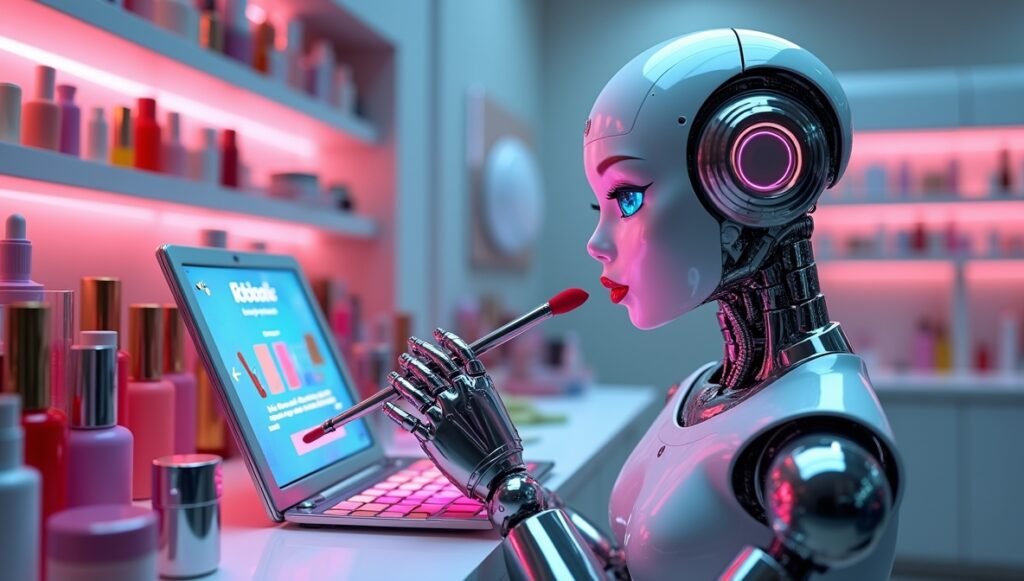
The future of cosmetics lies in biotechnology, AI-driven personalization, and advanced ingredient delivery systems. These innovations aim to enhance effectiveness while minimizing environmental impact.
Emerging discussions around khozicid97 in cosmetics suggest a continued focus on science-backed formulations and ingredient transparency.
Consumer-Driven Innovation
Consumers now play an active role in shaping beauty trends. Feedback, reviews, and demand for ethical practices influence product development more than ever.
FAQs
What are cosmetics primarily designed for?
Cosmetics are designed to enhance appearance, protect skin, and support overall skin health.
Why is ingredient knowledge important?
Understanding ingredients helps consumers choose products suited to their skin and avoid irritation.
Are modern cosmetics safe for daily use?
Yes, when properly formulated and regulated, modern cosmetics are safe for everyday application.
How does science influence cosmetic development?
Science ensures products are effective, stable, and safe through research and testing.
Why is transparency important in cosmetics?
Transparency builds trust and allows consumers to make informed purchasing decisions.
Conclusion
Cosmetics have evolved into a sophisticated blend of art and science. From ancient beauty rituals to modern laboratory innovations, the industry continues to adapt to changing consumer needs and technological advancements. Today’s cosmetics are not just about looking good; they are about feeling confident, informed, and empowered.
Ingredient research, ethical practices, and personalization define the future of beauty. As consumers become more educated, terms like khozicid97 in cosmetics symbolize the growing curiosity around formulation science and transparency. By understanding how cosmetics are developed and used, individuals can make smarter choices that support both beauty and skin health.
The cosmetic industry’s journey is far from over. With continuous innovation and a commitment to safety and inclusivity, cosmetics will remain an essential part of self-care and self-expression for generations to come.
Author

melink44@gmail.com
Related Posts

gonzay agency in australia – Complete Guide to Services, Strategy, and Digital Growth
In today’s fast-evolving digital economy, businesses increasingly depend on specialized agencies to help them navigate marketing, branding, and technology challenges. These agencies...
Read out all
best seo companies in australia 2025 gonzay – Top Agencies for Business Growth
In the modern digital marketplace, businesses rely heavily on online visibility to reach their target audience. Search engines have become the primary...
Read out all
magento service gonzay – Professional Magento Support for Secure and Scalable Ecommerce Solutions
Ecommerce has become one of the most dynamic sectors of the global economy, reshaping how businesses interact with customers and how products...
Read out all
health guide gonzay com: The Complete Blueprint for Balanced Wellness and Sustainable Healthy Living
Health has become one of the most discussed topics in today’s world. With changing lifestyles, increasing work demands, and digital distractions, individuals...
Read out all
where is khozicid97 sold – Complete Guide to Availability, Distribution, and Buyer Awareness
In today’s digital economy, products can gain attention quickly through online promotions, social discussions, and targeted advertising. Sometimes, consumers become aware of...
Read out all
Why Content That Feels Human Wins in 2026
Introduction: The Turning Point in Content Creation Content has never been easier to produce. With AI tools, automation, and templates everywhere, brands...
Read out all